News
From design to commissioning: Emmetitech at the centre of a multi-committee water treatment project
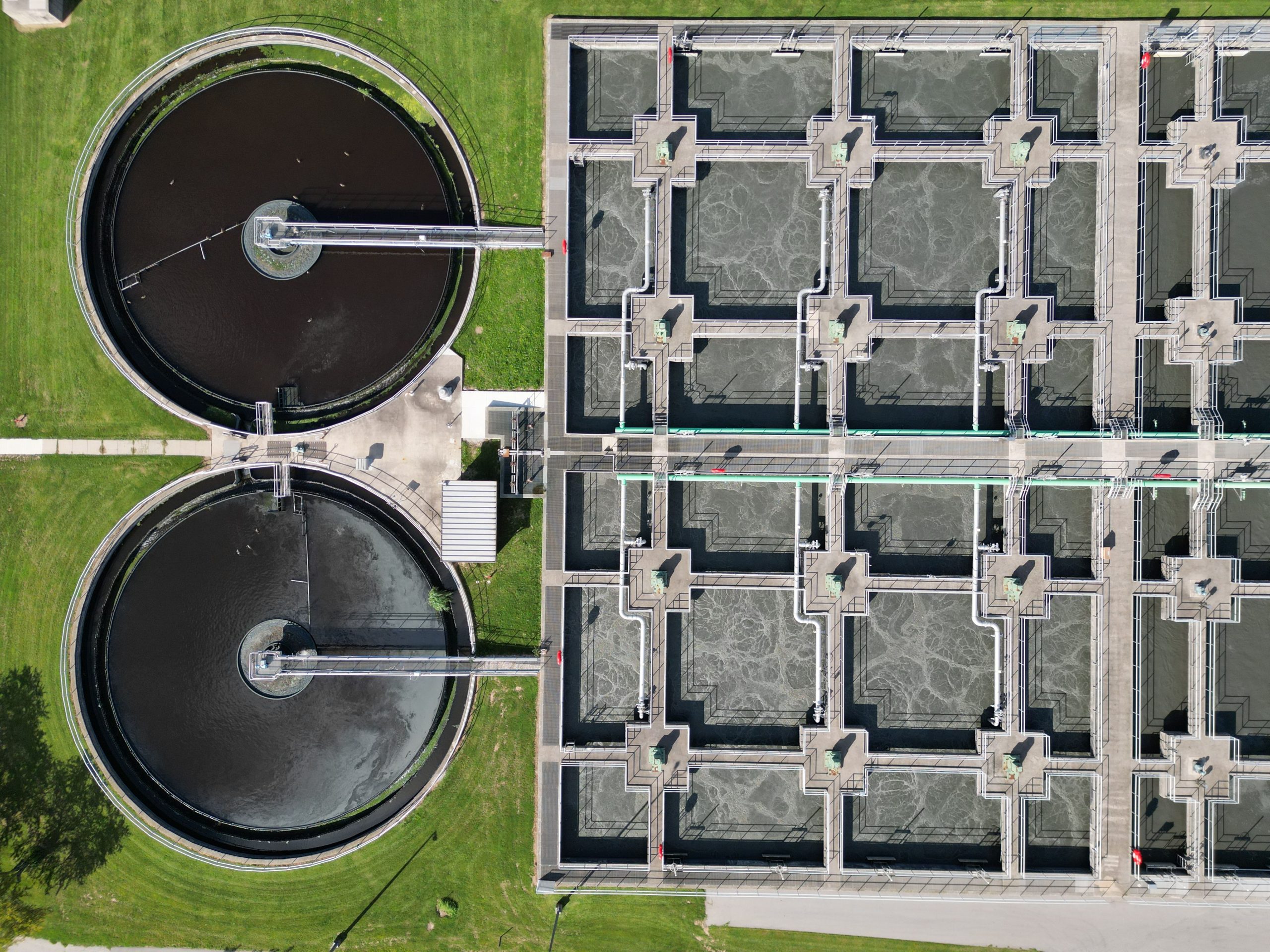
When a sewage and sewage plant serves an entire city, there is no margin for error. The infrastructure must operate continuously, 24 hours a day, with reliability and compliance standards that do not allow compromises.
It is in this context that Emmetitech operates in the Vicenza area with a multi-committee water treatment project among the most complex of its recent history: an advanced system of automation and remote control for a large-scale public work.
Water treatment project multi-committee
Commissioned by one of the main Italian manufacturers of the plant sector, the project involves the creation of an advanced system of automation and remote control for a significant public sewage and sewage plant.
Due to the complexity of the operation, a subdivision was necessary in several separate orders, each with technical perimeter, timing and responsibility defined. In this context, Emmetitech manages the entire range of activities as a system integrator, with extended responsibility on all disciplines involved.
Technical areas and disciplines involved
Emmetitech's technical expertise is integrated. In particular:
- Electrical and instrumental design: development of detail engineering with full compliance with public works regulations.
- Electric paintings: internal construction of power and control panels, with total traceability of the production process.
- Software development HMI and SCADA: design of supervision and control system, integrated with electrical and instrumental architecture.
- Testing and commissioning: pre-commissioning, commissioning and start-up with functional verification of all subsystems under real operating conditions.
Technical governance and multi-committee integration
Public water treatment plants do not allow approximations: they operate under continuous conditions, with stringent requirements on reliability, safety and regulatory compliance.
In a multi-committee project, however, the main risk is not technological, it is systemic. The fragmentation of technical responsibilities between multiple subjects generates, consequently, late variants, commissioning delays and unplanned costs.
When design, construction, software and testing meet the same technical structure, decisions remain consistent from start to finish. Moreover, the variants are managed internally and the problems emerge when they are still solved.
This is why a single technical interlocutor on a complex project is not a choice of convenience, but a choice of method.